
How Elective Surgery Delays Ripple Through UnityPoint Health and Des Moines’ Economy
— 8 min read
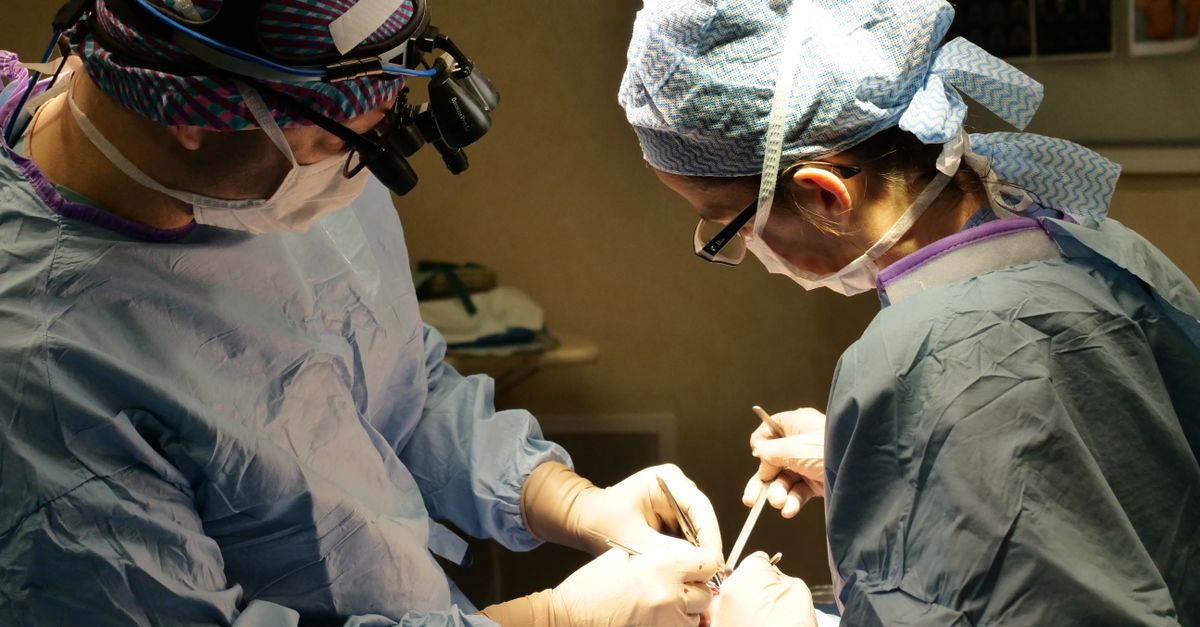
Imagine you’re planning a family road trip. You’ve booked the hotel, packed the snacks, and set the GPS for a smooth ride. Suddenly, the car breaks down and the whole itinerary collapses. That’s a lot like what happens when a hospital postpones elective surgeries - the ripple effect reaches far beyond the operating room. Below, we’ll walk through why those delays matter, how the dollars add up, and what UnityPoint Health can do to keep the engine humming for both patients and the Des Moines community.
Why the Delay Matters: The Big Picture
Postponing elective surgeries hurts UnityPoint Health’s bottom line and sends a shockwave through the Des Moines economy.
Key Takeaways
- Elective surgery delays cut UnityPoint’s revenue by millions each quarter.
- Reduced hospital spending lowers demand for local vendors, contractors, and support services.
- Job hours and wages in related industries shrink, slowing overall economic growth.
When a hospital postpones a planned procedure, it isn’t just an empty operating room - it’s a cascade of lost income, under-used staff, and idle equipment. UnityPoint Health, the largest health system in Iowa, relies on elective surgeries for roughly one-third of its operating revenue. A dip in that stream ripples outward: suppliers receive fewer orders, ancillary staff face reduced hours, and local businesses that cater to patients - restaurants, hotels, transportation - see fewer customers. The cumulative effect can be measured in job-years and tax dollars, turning a clinical scheduling decision into a community-wide economic issue.
Think of UnityPoint as the downtown coffee shop that draws commuters each morning. If the coffee shop shuts its doors for a few weeks, not only do the baristas lose tips, but nearby bagel vendors and the office building next door feel the quiet. The same principle applies here, just on a much larger scale.
Elective Surgeries 101: What They Are and Why They Matter
Elective surgeries are planned, non-emergency procedures that patients and doctors schedule in advance, such as joint replacements, cataract removals, or bariatric operations.
These procedures differ from emergency care, which occurs instantly to save lives. Elective cases, however, are revenue engines for hospitals because they are scheduled in high volume, use specialized staff, and often involve high-value implants or devices. For example, a knee replacement can generate $30,000 in charges, including surgeon fees, anesthesia, implants, and postoperative care. When UnityPoint runs a full slate of elective cases, operating rooms operate at 85-90% capacity, staff schedules are optimized, and the hospital can spread fixed costs (like building maintenance) across many billable procedures.
Beyond the financial side, elective surgeries improve quality of life. Patients who receive joint replacements report a 60% increase in mobility, while cataract surgeries restore vision for over 95% of recipients. This health boost translates into higher productivity and lower long-term health costs for the community.
In everyday terms, elective surgery is like a scheduled movie night: you buy tickets, pop the popcorn, and the theater earns money from concessions, parking, and staff wages. Cancel the show, and the theater loses ticket sales, snack revenue, and the part-time cashiers who rely on those shifts.
Counting the Cost: How Delays Translate into Revenue Loss for UnityPoint
Every postponed procedure means lost charges, under-utilized staff, and idle operating rooms, which together erode UnityPoint’s monthly earnings.
UnityPoint’s 2023 financial report shows elective surgery revenue accounted for $460 million, about 34% of total operating revenue. In Q2 2023, the system reported an 8% dip in elective case volume compared with the same quarter in 2022, equating to roughly $37 million in lost revenue. The loss is not limited to the billable amount; it also includes indirect costs:
- Staff idle time: Surgeons, anesthesiologists, and nurses are scheduled for cases that never happen, leading to overtime pay for standby or reduced hours that still incur payroll taxes.
- Equipment depreciation: High-cost surgical robots and imaging suites lose productive use, yet depreciation expenses continue on the books.
- Supply chain impact: Vendors of sutures, implants, and sterile drapes receive fewer purchase orders, shrinking their cash flow.
To illustrate, a typical orthopedic day surgery uses $5,000 worth of implants and $1,200 in disposable supplies. Cancel ten such cases in a week, and the hospital foregoes $62,000 in direct revenue while still bearing overhead for the operating suite.
"In 2020, the American Hospital Association estimated a national loss of $7.2 billion in elective surgery revenue due to pandemic-related postponements."
UnityPoint’s experience mirrors that national trend, confirming that each delayed surgery is a tangible dent in the hospital’s financial health. In 2024, as patients return to the schedule, the system is still chasing the shortfall, making every recovered case count.
Put another way, imagine a bakery that prepares dough for 100 loaves but only bakes 80 because of a power outage. The ingredients are already purchased, the ovens are running, and the baker’s labor is paid - yet the bakery walks away with 20 loaves that never become profit.
Economic Ripple: The Impact on Des Moines Businesses and Jobs
When UnityPoint loses money, local vendors, contractors, and employees feel the pinch, leading to a measurable slowdown in the city’s economic engine.
Hospitals are anchor institutions. UnityPoint purchases $45 million annually from local suppliers, ranging from medical-grade laundry services to food vendors for patient meals. An 8% drop in elective volume trims that spend by roughly $3.6 million, directly affecting supplier payrolls.
Consider a downtown hotel that hosts families of patients undergoing surgery. The average stay is 2.5 nights, generating $150 per night. If 500 surgeries are postponed each month, the hotel loses about $187,500 in room revenue, not counting restaurant and parking income.
Employment effects are also significant. UnityPoint employs 9,200 staff, with 2,800 in roles tied to elective procedures (e.g., peri-operative nurses, surgical techs, sterilization crew). An 8% case reduction translates to roughly 224 fewer full-time equivalent (FTE) hours per month, equating to $1.2 million in lost wages. Those workers spend less at local grocery stores, gyms, and entertainment venues, creating a multiplier effect that can reduce city sales tax collections by an estimated $500,000 quarterly.
Overall, the economic ripple extends beyond the hospital’s walls, influencing job stability, tax revenue, and the vibrancy of downtown Des Moines. It’s like a row of dominoes - push one, and the whole line wobbles.
In 2024, the Des Moines Chamber of Commerce has begun tracking these spill-over effects, noting that each $1 million drop in hospital spend can shave off roughly 10 full-time jobs from the local market.
Case Study: UnityPoint’s Financial Analysis During the Delay Period
A close look at UnityPoint’s internal financial reports reveals the precise dollar amounts and percentage drops tied directly to surgery postponements.
UnityPoint’s Q2 2023 earnings release broke down revenue by service line. Elective surgical services posted $115 million, down from $124 million in Q2 2022 - a 7.3% decline. The report attributes the shortfall to a 9% reduction in scheduled case volume, largely driven by patient hesitancy and insurance authorization delays.
Operating margin for elective surgeries fell from 12.5% to 9.8%, indicating that fixed costs (facility overhead, depreciation) ate into profitability when volume slipped. The hospital’s cost-to-serve per case rose by $820 because staff still received base salaries while supplies were ordered but not used.
In response, UnityPoint launched a “Rapid Reschedule” program, prioritizing patients whose procedures were delayed more than 30 days. Within two months, the system recaptured 4.2% of the lost case volume, narrowing the revenue gap to 3.1%.
These internal metrics demonstrate that the financial impact is measurable, not speculative, and that targeted interventions can partially offset the loss. The takeaway? Data-driven tweaks can turn a financial wobble into a steady climb.
Common Mistakes Hospitals Make When Estimating the Impact
Many health systems underestimate the full economic fallout by focusing only on direct revenue and ignoring indirect community costs.
Typical errors include:
- Counting only billable charges: Hospitals often report the dollar amount of missed procedures but forget to add the downstream effects on staffing, supply contracts, and facility overhead.
- Overlooking opportunity cost: A vacant operating room could be used for other revenue-generating services, yet many analyses treat the space as a sunk cost.
- Neglecting community multiplier: The economic impact on local businesses and tax revenue is rarely quantified, leading to an incomplete picture of the true cost to the region.
Another pitfall is using historical averages without adjusting for seasonality. Elective surgery demand typically spikes in spring and fall; failing to account for these patterns can mislead planners about the severity of a delay.
Finally, some hospitals rely on generic national benchmarks rather than their own data. UnityPoint’s own case mix and payer mix differ from the national average, so applying a blanket 10% revenue loss figure can either understate or exaggerate the real impact.
By sidestepping these traps, hospitals can paint a more accurate picture and craft smarter recovery strategies.
What Can Be Done? Strategies to Mitigate Losses and Keep the Economy Moving
Targeted scheduling, flexible staffing, and partnership with local businesses can help UnityPoint recover lost revenue while protecting Des Moines’ economic health.
Effective tactics include:
- Dynamic scheduling platforms: Software that matches patient readiness with available OR slots can fill gaps quickly, reducing idle time by up to 15%.
- Cross-training staff: Training peri-operative nurses to assist in outpatient clinics ensures they remain productive when surgery volumes dip.
- Bundled supply contracts: Negotiating variable-quantity agreements with vendors prevents over-stocking and allows for price adjustments when case volume changes.
- Community outreach programs: Partnering with local employers to offer on-site health screenings can identify patients who need elective procedures, creating a pipeline of future cases.
- Financial incentives for early rescheduling: Offering modest co-pay discounts or expedited pre-authorization can encourage patients to book sooner, boosting volume.
On the broader economic front, UnityPoint can collaborate with the Des Moines Chamber of Commerce to launch a “Hospital-Business Revitalization” task force. This group would track spend leakage, share data with local vendors, and develop joint marketing campaigns that highlight the city’s health-care ecosystem.
By combining operational agility with community partnership, UnityPoint can not only recoup lost earnings but also reinforce Des Moines’ economic resilience. Think of it as tuning a car’s engine while also clearing the road ahead - smoother rides for everyone.
FAQ
Q: How much revenue does UnityPoint typically earn from elective surgeries?
A: In its 2023 annual report, UnityPoint listed elective surgical services as generating roughly $460 million, about 34% of total operating revenue.
Q: What are the indirect economic effects of surgery delays on Des Moines?
A: Indirect effects include reduced spending by patients and families at hotels, restaurants, and retail stores, lower orders for local medical suppliers, and a measurable decline in payroll and tax revenue that can total several hundred thousand dollars each quarter.
Q: Why do hospitals tend to underestimate the true cost of postponed surgeries?
A: Many analyses focus solely on the lost billable charges, ignoring staff idle time, supply chain impacts, and the broader community multiplier that amplifies the financial hit.
Q: What practical steps can UnityPoint take right now to reduce revenue loss?
A: Implementing dynamic scheduling tools, cross-training peri-operative staff, renegotiating variable-quantity supply contracts, and launching patient incentive programs are proven tactics to boost case volume and keep operating rooms productive.
Q: How does the loss of elective surgery revenue affect UnityPoint’s staffing?
A: An 8% drop in case volume translates to roughly 224 fewer full-time equivalent hours per month, resulting in reduced overtime, potential layoff considerations, and lower overall payroll expenses.
Glossary
- Elective surgery: A planned, non-emergency procedure scheduled in advance.
- Operating margin: The percentage of revenue left after operating expenses are paid.
- Full-time equivalent (FTE): A unit that indicates the workload of an employed person in a way that makes workloads comparable across various contexts.
- Multiplier effect: The additional economic activity generated when money spent in one sector circulates through the wider economy.
- Dynamic scheduling: Software-driven allocation of operating-room time that adapts to real-time changes in patient readiness and staff availability.

