Why AI-Personalized Urban Wellness Apps Might Make You Less Healthy - And How to Turn That Threat into Your 2028 Superpower
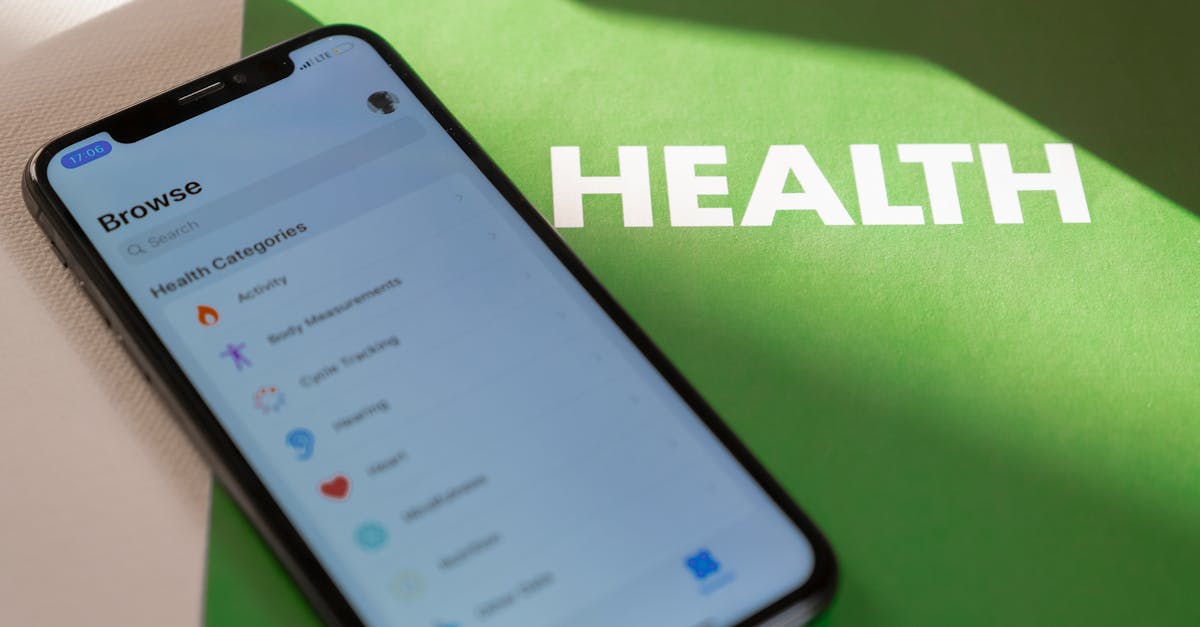
Hook: Informative Overview
In cities where congestion, pollution, and relentless schedules dominate, AI-personalized wellness apps promise the ultimate shortcut to better health. Yet, beneath the glossy dashboards and nudges lie hidden pitfalls that can actually erode your well-being. This article flips the script, showing how these tools can backfire, and then demonstrates how you can harness their data to create a personalized superpower for 2028. First, we unpack what these apps claim to do, then expose the unseen dangers, and finally, guide you to transform that threat into an advantage.
- AI wellness apps are more intrusive than you think.
- They may worsen mental health by constant self-tracking.
- Data misuse can lead to discrimination.
- Turning data into a personal insight loop can be your 2028 superpower.
1. What Are AI-Personalized Urban Wellness Apps?
Think of these apps as the Uber of health, but for your body and mind. They use algorithms - trained on millions of data points - to generate tailored recommendations on exercise, sleep, diet, and stress management. In a bustling city, the apps collect data from wearables, public transit patterns, pollution sensors, and even your grocery receipts. The goal: to give you a step-by-step plan that adapts in real time to your environment.
Like a personal trainer who never sleeps, the AI constantly compares your current state to a model of “optimal urban health.” It then nudges you with notifications, reminders, and alerts. The promise is simple: fewer trips to the gym, less time in traffic, and a measurable drop in your carbon footprint - all while staying fit. The reality, however, is often more complex.
2. How They Claim to Make You Healthier
Producers market these apps as science-backed lifesavers. They highlight features such as:
- Predictive analytics that foresee a potential health risk before symptoms appear.
- Behavioral nudges that shape habits through gamification.
- Real-time feedback from sensors, turning your phone into a personal health oracle.
For example, if your smartwatch detects a spike in heart rate while you’re stuck in traffic, the app might suggest a quick breathing exercise. If your city’s air quality dips below a threshold, it could recommend indoor yoga. The message is clear: data-driven precision medicine right in your pocket.
3. The Hidden Health Risks
Every good thing has a flip side. AI wellness apps can unintentionally erode health in ways that are easy to miss:
- Data Overload: Constant notifications can increase anxiety, turning your phone into a source of stress rather than relief.
- Privacy Leaks: Sensitive health data, if not properly secured, can fall into the wrong hands - think insurance companies or employers.
- Algorithmic Bias: Models trained on limited data sets may recommend solutions that don’t fit diverse urban populations.
- Self-Efficacy Drain: When you’re told exactly what to do, you may feel less empowered to make independent choices.
These issues can culminate in a paradox: the app designed to improve wellness ends up reducing autonomy and increasing mental fatigue.
"After more than 4.5 years of losing hair and feeling insecure, I finally decided to let it go!" - reddit/bald
4. Counterintuitive Ways They May Reduce Wellness
Contrary to popular belief, the very features that make AI apps appealing can undermine health:
- Constant Monitoring: Similar to a strict parent, relentless tracking can cause you to obsess over numbers, leading to anxiety.
- One-Size-Fits-All Algorithms: Urban diversity means that a recommendation that works for a Manhattan jogger may not suit a Tokyo commuter.
- Information Silos: Apps often ignore contextual factors like cultural eating habits or local seasonal allergies.
- Misplaced Trust: Relying on algorithmic certainty can discourage seeking professional medical advice when needed.
When these counterintuitive effects combine, the result is a decline in overall well-being, despite the app’s best intentions.
5. Turning the Threat into Your 2028 Superpower
So how do you flip a health risk into a power-up? The key lies in data ownership and agency:
- Own Your Data: Use encrypted local storage on your phone instead of cloud-based services whenever possible.
- Apply Contextual Filters: Before you accept a recommendation, ask whether it fits your current city environment, schedule, and personal preferences.
- Blend Human Insight: Combine algorithmic suggestions with advice from healthcare professionals and trusted community members.
- Turn Notifications into Conversations: Instead of passive alerts, set up a weekly “health audit” with friends or family where you discuss the data together.
By curating the data flow, you create a personal health ecosystem that responds to you, not to an algorithm’s generalized model. This can become your 2028 superpower: a hyper-aware, city-smart health system that empowers rather than dictates.
Common Mistakes
Don’t Fall Into These Traps:
- Assuming all notifications are critical - many are just reminders.
- Relying solely on the app for mental health advice.
- Ignoring app privacy policies - read them, or ask a tech-savvy friend.
- Sharing sensitive data on public Wi-Fi without encryption.
Frequently Asked Questions
What exactly is an AI-personalized wellness app?
It’s a mobile application that uses artificial intelligence to analyze health data from sensors and external sources, then provides individualized health recommendations.
How do I protect my data?
Use encrypted local storage, avoid cloud syncing, read privacy policies, and use secure Wi-Fi connections.
Can these apps replace a doctor?
No, they supplement professional care, not replace it. Use them as a tool, not a diagnosis.
What are the biggest risks?
Data privacy breaches, algorithmic bias, increased anxiety from constant monitoring, and loss of personal agency.
How can I use AI data for a personal advantage?
Curate your data, apply contextual filters, blend with human insights, and set up peer review cycles to turn raw numbers into actionable, personalized health strategies.



Comments ()